Truck Driver Jobs in Canada for Foreigners 2026: Pay by Province, Licences and PR Routes
Truck driver jobs in Canada for foreigners in 2026: Job Bank pay by province, licence and MELT rules, why LMIAs got harder, and the PNP routes to PR.
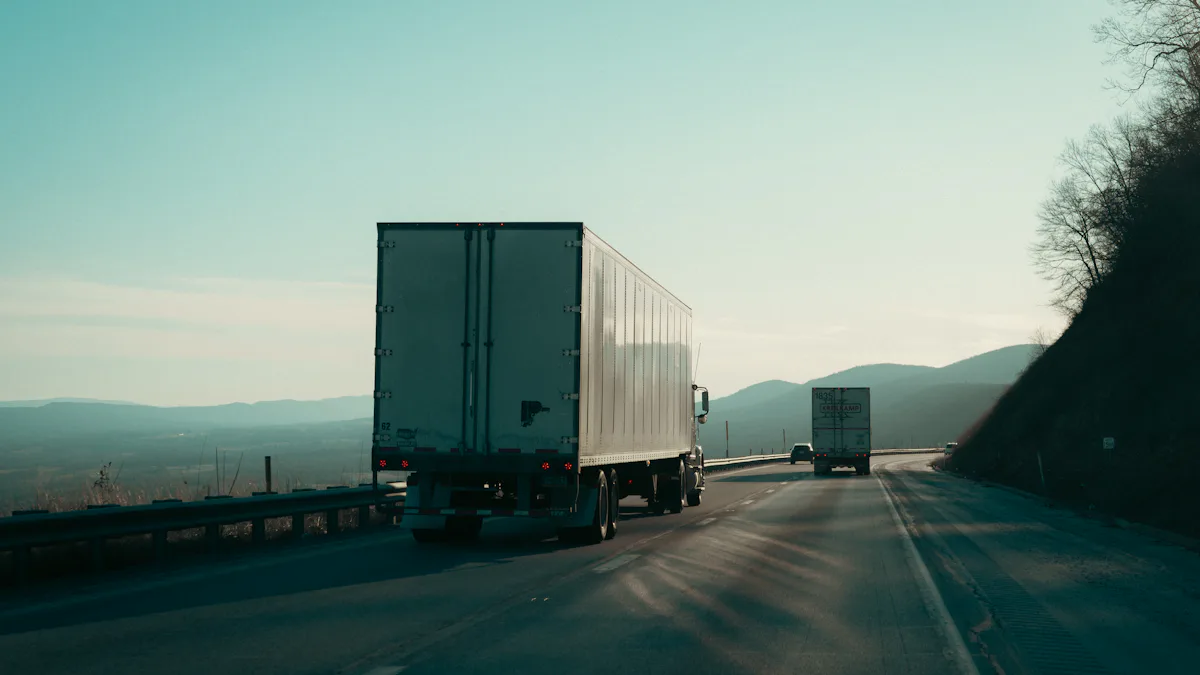
A long-haul truck driver in Alberta earns a median of $30 an hour, according to Job Bank, and drivers in Yukon earn even more. Canadian carriers have complained about a driver shortage for years, and foreign drivers from India, the Philippines, Nigeria, Ghana and Latin America have filled a big share of the seats.
But 2026 is a harder year to break in than 2023 was. Truck driving (NOC 73300) was dropped from Express Entry's transport category. Most trucking jobs pay below the high-wage threshold, so they need low-wage LMIAs, and those are frozen in 30 cities where unemployment is above 6%. And no province lets you simply swap your foreign heavy-vehicle licence for a Canadian one.
This guide covers what drivers earn by province, how licensing works, which work permits are realistic and which provincial programs still nominate truck drivers for permanent residence.
In this guide
- Truck Driver Jobs in Canada at a Glance
- What Truck Drivers Earn by Province
- Licensing: Your Foreign Licence Won't Transfer Directly
- Work Permits: Why LMIAs Got Harder
- Permanent Residence Routes for Truck Drivers
- Costs for Foreign Truck Drivers
- Step-by-Step Plan
- Common Mistakes and Refusal Reasons
- Frequently Asked Questions
- Before You Apply
Truck Driver Jobs in Canada at a Glance
| Item | 2026 details |
|---|---|
| Occupation code | NOC 73300 (transport truck drivers), TEER 3 |
| National median pay | $26.42/hour (Job Bank) |
| Licence needed | Class 1 (most provinces) or Class AZ (Ontario) with air brakes |
| Mandatory training | MELT, roughly 103.5–121.5 hours depending on province |
| Main work permit route | LMIA, mostly low-wage stream |
| Express Entry category | No; truck drivers are not in any 2026 category |
| PR routes | Provincial nominee programs, Atlantic Immigration Program, rural pilots, CEC |
| Official sources | Job Bank wages, ESDC LMIA rules |
What Truck Drivers Earn by Province
These are Job Bank figures for transport truck drivers (2023–2024 reference period, published November 2025). Many long-haul drivers are paid by the mile or kilometre, so actual earnings swing with how many kilometres you drive.
| Province or territory | Low | Median | High |
|---|---|---|---|
| Alberta | $21.00 | $30.00 | $42.31 |
| British Columbia | $22.00 | $30.77 | $40.38 |
| Saskatchewan | $18.50 | $27.00 | $37.00 |
| Ontario | $19.23 | $26.00 | $35.00 |
| Quebec | $19.45 | $25.20 | $34.50 |
| Newfoundland and Labrador | $17.97 | $24.75 | $36.00 |
| Manitoba | $17.00 | $24.00 | $34.72 |
| Nova Scotia | $18.00 | $24.00 | $30.00 |
| Prince Edward Island | $18.00 | $24.00 | $30.29 |
| New Brunswick | $17.00 | $23.00 | $32.00 |
| Yukon | $26.50 | $34.00 | $43.27 |
A full-time driver at the national median, working 50 hours a week, would gross around $68,000 a year. Team drivers and owner-operators can earn more, but owner-operators carry fuel, insurance and truck payments.
Licensing: Your Foreign Licence Won't Transfer Directly
Canada has no general exchange for foreign commercial licences. Even drivers from countries with a car-licence agreement usually get only a regular passenger licence in exchange, then must test for the commercial class.
What you'll need
- A regular licence first. Ontario requires a full G licence before you can apply for AZ; other provinces have their own steps.
- Mandatory Entry-Level Training (MELT). Ontario's Class A MELT is at least 103.5 hours. Saskatchewan and Manitoba require at least 121.5 hours for Class 1. Alberta's Class 1 MELT is around 113 hours, and British Columbia has its own Class 1 MELT program.
- Air brake endorsement. Required for most tractor-trailers.
- Medical exam and written knowledge tests.
- A road test in a tractor-trailer.
MELT courses at private schools commonly cost several thousand dollars, often $6,000 to $10,000 or more. Some carriers pay for training in return for a contract, so read the payback terms carefully.
What this means if you're abroad
You can't usually start driving the week you land. Realistic employers either hire drivers already in Canada with a Canadian licence, or bring in workers on an LMIA and then put them through testing. Ask any employer exactly how they'll get you licensed and who pays.
Work Permits: Why LMIAs Got Harder
Most trucking jobs are low-wage
The high-wage threshold in Ontario is $36.92 an hour, in Alberta $37.50 and in BC $38.40. The truck driver median is well below those everywhere, so nearly all trucking LMIAs fall under the low-wage stream. Low-wage LMIAs have stricter rules:
- 10% cap on low-wage foreign workers per work location
- Employer pays round-trip airfare and ensures affordable housing
- 8 weeks of advertising before applying
- Work permit of up to one year at a time
The 30-city freeze
From October 9, 2026 to January 7, 2027, ESDC won't process low-wage LMIAs for jobs located in 30 census metropolitan areas, including Toronto, Hamilton, Kitchener-Waterloo, London, Windsor, Calgary, Edmonton, Red Deer, Regina, Saskatoon, Vancouver, Montréal, Halifax, Moncton and St. John's. Trucking is not one of the exempt sectors.
That pushes legitimate LMIA trucking jobs toward smaller towns and rural bases outside those CMAs, such as parts of rural Manitoba, Saskatchewan, Alberta and Atlantic Canada. The list changes every three months. Read our LMIA guide for the full rules.
Permanent Residence Routes for Truck Drivers
Express Entry: possible but tough
NOC 73300 is TEER 3, so a year of Canadian driving makes you eligible for the Canadian Experience Class (with CLB 5). But truck driving is not in any 2026 category, so you compete in CEC draws that have needed about 508–520 CRS points. Most drivers don't reach that without a provincial nomination. See our CRS guide.
Provincial nominee programs
Provinces are where truck drivers most often get PR. Programs change often, so treat these as starting points to check, not promises:
- Saskatchewan: Saskatchewan has run a long-haul truck driver pathway under its Saskatchewan Experience category for drivers working for an eligible Saskatchewan carrier. Check whether it is open and what the 2026 rules are.
- Manitoba: The Skilled Worker in Manitoba stream nominates people already working full time for a Manitoba employer, and trucking firms there use it.
- Alberta: The Alberta Opportunity Stream and Rural Renewal Stream nominate workers employed in Alberta, subject to occupation and wage rules. A $135 expression of interest fee and $1,500 application fee apply.
- New Brunswick: New Brunswick has offered a truck driver pathway under its skilled worker stream that required local work experience and a provincial Class 1 licence.
- Ontario: The new Ontario Workforce Priority stream needs a permanent job offer, CLB 6 for most TEER 0–3 jobs and a post-secondary credential, which many drivers lack.
Our provincial nominee program guide explains how each province selects people.
Atlantic Immigration Program
Designated employers in Nova Scotia, New Brunswick, PEI and Newfoundland and Labrador can offer TEER 3 jobs, including driving, without an LMIA. You need CLB 5 for a TEER 3 offer and at least a one-year job offer. Some provinces restrict certain sectors, so check provincial rules.
Rural Community Immigration Pilot
Some participating communities list transport truck drivers as a priority occupation. A designated employer in that community makes the offer, the community recommends you, and you apply for PR.
Costs for Foreign Truck Drivers
| Cost | Typical amount |
|---|---|
| Work permit fee | $155 |
| Biometrics | $85 |
| Language test (IELTS General, CELPIP) | About $300–$450 |
| MELT course and road test | Often $6,000–$10,000+ unless employer pays |
| Medical exam (licence and immigration) | A few hundred dollars |
| PR fee if nominated | $1,590 per adult |
| PNP application fee | $0–$1,750 depending on province |
Step-by-Step Plan
- Get proof of your driving experience: employer letters with routes, vehicle types, hours and dates, plus your licence history.
- Take an English or French test. CLB 4 to 5 is the minimum for many trucking routes; higher helps.
- Target carriers outside the frozen CMAs, or in provinces with an active trucker pathway.
- Confirm how the employer will get you licensed and whether it pays for MELT.
- Once you have an offer and positive LMIA (or AIP designation), apply for your work permit.
- In Canada, earn your Class 1 or AZ, keep a clean record and work continuously for the same employer.
- Apply for nomination as soon as you meet the provincial work requirement.
Common Mistakes and Refusal Reasons
- Paying a recruiter or "consultant" for a trucking job. It's illegal and often a scam.
- Experience letters that don't match the NOC 73300 duties.
- Gaps in employment or switching employers before meeting PNP requirements.
- Getting traffic violations or a criminal charge, which can stop a nomination and the PR application.
- Working as an incorporated contractor with no proper payslips.
Frequently Asked Questions
Can I get a truck driver job in Canada from abroad?
Yes, but it's harder than a few years ago. Most trucking jobs need a low-wage LMIA, and those are frozen in 30 cities until at least January 7, 2027. Employers in smaller communities and the Atlantic provinces are your best bet.
Can I use my foreign truck licence in Canada?
Not for commercial driving. You'll need to complete your province's Class 1 or AZ testing, usually including MELT training and an air brake endorsement. Some licence agreements let you exchange a car licence, but not a heavy-vehicle one.
How much do truck drivers earn in Canada?
Job Bank puts the national median at $26.42 an hour, with medians around $30 in Alberta and BC and higher in the territories. Long-haul drivers paid by distance can earn more depending on kilometres driven.
Are truck drivers eligible for Express Entry?
Yes, as TEER 3 workers they can qualify for CEC or FSW. But truck driving isn't in any 2026 category, so most drivers need a provincial nomination to reach the CRS cut-off.
Which province is best for truck drivers seeking PR?
Saskatchewan, Manitoba, Alberta and the Atlantic provinces have historically been the most open. Rules change each year, so check the current stream guides before choosing.
Before You Apply
- Gather detailed experience letters and your licence history now.
- Check the latest ESDC freeze list before you accept any LMIA job offer.
- Read each province's current nominee rules for truck drivers.
- Never pay anyone for a job, LMIA or licence "package".
Disclaimer: This guide is general information, not legal or immigration advice. Fees, quotas and requirements change often, so confirm every detail on the official government website before you apply or pay anyone. See our editorial policy.