Australia Working Holiday Visa (417 and 462): 2026 Countries, Caps and Second Year Rules
Who can get Australia's Working Holiday visa (417/462) in 2026: eligible countries, caps and ballots, A$840 fee, specified work and second-year rules.
Australia sets aside 1,000 first-year Work and Holiday visas a year for Indian passport holders, and they are handed out by random ballot. Argentina, Chile and Spain get 3,400 each. The United States has no cap at all. Your passport decides almost everything about this visa, so before you plan anything, check whether your country is on the list.
For many readers the answer will be no. Australia has no working holiday arrangement with any African or Caribbean country. In South Asia, India is the only participating country. The Philippines signed an agreement in 2023 but had not launched it as of 2026. Latin America does better: Argentina, Brazil, Chile, Ecuador, Peru and Uruguay all take part.
If you are eligible, this is one of the cheapest and most flexible ways to live and work in Australia for up to three years. This guide covers the two subclasses, the caps and ballots, the money you need, and the specified work that earns you a second and third year.
In this guide
- Working Holiday Visa at a Glance
- Two Visas: Subclass 417 and Subclass 462
- 462 Countries and Annual Caps for 2026-27
- Eligibility Requirements
- Costs: What to Budget
- Work, Pay and Tax
- Second and Third Year: Specified Work
- How to Apply, Step by Step
- Common Reasons for Refusal or Problems
- Frequently Asked Questions
- Before You Apply
Working Holiday Visa at a Glance
| Who it's for | Young adults from partner countries, usually aged 18 to 30 (18 to 35 for some) |
| Visa fee | A$840 first visa, A$1,000 second or third visa (from 1 July 2026) |
| Funds needed | About A$5,000 plus a return ticket or the money to buy one |
| Processing time | Around three months on average |
| Duration | 12 months, extendable to 2 or 3 years with specified work |
| Work rules | Any job, generally up to 6 months with one employer |
| Path to PR | None directly, but experience can lead to employer sponsorship |
| Official source | Home Affairs: Working Holiday Maker program |
Two Visas: Subclass 417 and Subclass 462
Australia runs two versions of the program. Which one you apply for depends entirely on your passport.
Working Holiday visa (subclass 417)
The 417 is open to passport holders from Belgium, Canada, Cyprus, Denmark, Estonia, Finland, France, Germany, Hong Kong (including BNO passports), Ireland, Italy, Japan, Malta, the Netherlands, Norway, South Korea, Sweden, Taiwan and the United Kingdom.
There are no caps and no education or English requirements. The standard age range is 18 to 30. Canada, France, Ireland and the UK allow applications up to 35, and from 1 July 2026 Cyprus, Finland, Germany and South Korea joined them. Check your own country's age limit before you apply, since it has changed for several countries in recent years.
Work and Holiday visa (subclass 462)
The 462 is for a different group of countries. Most have an annual cap on first visas, and applicants usually need functional English and a minimum level of education. Some countries also require a letter of support from their own government.
462 Countries and Annual Caps for 2026-27
These are the annual caps on first Work and Holiday visas published by Home Affairs. Second and third visas are not capped. Caps reopen every year on 2 July, and popular countries can pause or close within days or weeks.
| Country | Annual cap | How places are allocated |
|---|---|---|
| Argentina | 3,400 | Application cap |
| Brazil | 500 | Application cap (often paused) |
| Chile | 3,400 | Application cap |
| Ecuador | 100 | Application cap |
| Peru | 1,500 | Application cap |
| Uruguay | 1,500 | Application cap (raised from July 2026) |
| India | 1,000 | Ballot |
| China | 5,000 | Ballot |
| Vietnam | 1,500 | Ballot |
| Indonesia | 5,000 | Moving to a ballot from late 2026 |
| Malaysia | 1,100 | Application cap |
| Thailand | 2,000 | Application cap |
| Papua New Guinea | 100 | Application cap |
| United States | No cap | Apply any time |
Other 462 countries include Austria, Czechia, Greece, Hungary, Israel, Luxembourg, Mongolia, Poland, Portugal, San Marino, Singapore, Slovakia, Slovenia, Spain, Switzerland and Türkiye. Check the live country caps page before you prepare anything, because status changes without much warning.
How the ballot works for India, China and Vietnam
Applicants from India, China and Vietnam can't apply directly. You first register for a pre-application ballot, which usually involves a small registration fee. If you're randomly selected, you get an invitation and a fixed window to lodge your full visa application.
Registration for the 2026-27 ballot closed on 25 June 2026. The next window is expected around mid-2027. Selection is random, so being "first in line" or paying an agent gives you no advantage.
Eligibility Requirements
For both subclasses you must:
- Hold a passport from an eligible country
- Be within the age limit when you apply (you can usually lodge up to the day before your 31st or 36th birthday)
- Not bring dependent children with you at any point during your stay
- Have about A$5,000 in funds, plus a return ticket or enough money for one
- Meet health and character requirements
- Be outside Australia when you apply for your first visa, and when it is granted
For the 462 you will usually also need:
- Functional English, shown through a test score or other evidence depending on your country
- Education, often at least two years of university study or a completed tertiary qualification, depending on the country
- A government letter of support for some countries
Partners can't be included. If your partner is also eligible, they apply for their own visa.
Costs: What to Budget
| Item | Approximate cost (AUD) |
|---|---|
| First visa application | 840 |
| Second or third visa application | 1,000 each |
| Savings to show | About 5,000 |
| Health insurance (recommended, sometimes required) | 500 to 1,500 a year |
| Flight from South America or Asia | 900 to 2,500 one way |
| First month's rent and bond in a city | 2,000 to 3,500 |
Visa fees are from the official visa pricing table. Visa fees were much lower a few years ago, so if a blog quotes A$635 or A$650, it's out of date.
The A$5,000 is a minimum, not a comfortable budget. In Sydney or Melbourne, a room in a shared house often costs A$250 to A$400 a week. Many people take two to four weeks to find their first job.
Work, Pay and Tax
You can work in any job, full-time or part-time. Visa condition 8547 limits you to six months with any one employer, unless your work falls under an exemption or you get written permission. You can also study for up to four months on each visa.
Working holiday makers have exactly the same workplace rights as Australians. From 1 July 2026, the national minimum wage is A$26.44 an hour for adults, according to the Fair Work Commission's 2026 decision. Casual workers get at least 25% extra in place of leave, which puts many casual award rates at A$33 an hour or more. Weekend and night penalty rates can push hospitality pay higher.
Common jobs and realistic pay:
- Farm and harvest work: piece rates (per bin or kilo), but award rules mean pieceworkers must earn at least the minimum hourly floor
- Hospitality: cafes, bars and hotels, typically A$30 to A$40 an hour casual
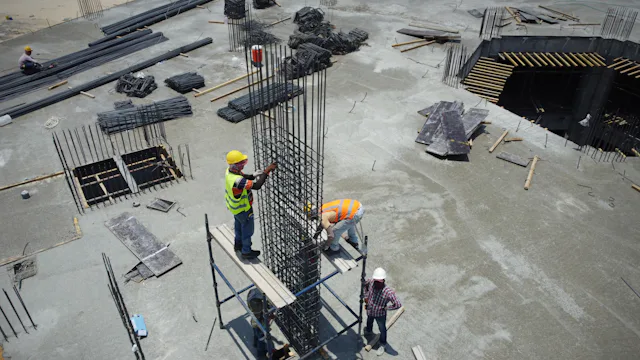
- Construction labouring: often A$32 to A$45 an hour, but you need a White Card safety certificate
- Mining camps and remote tourism: higher pay and often free accommodation, but long shifts and isolation
Working holiday makers pay tax at 15% on the first A$45,000 of income, with higher rates above that. Your employer also pays superannuation, which you can claim when you leave. That payment is taxed heavily, at 65% for working holiday makers.
Second and Third Year: Specified Work
To get a second visa, you must complete at least three months (88 days) of specified work while on your first visa. For a third visa, you need six months of specified work while on your second visa. UK passport holders who apply on or after 1 July 2024 don't need specified work at all.
Specified work must be done in eligible regional postcodes. The industries include:
- Plant and animal cultivation (fruit picking, packing, farm work)
- Fishing and pearling
- Tree farming and felling
- Mining
- Construction in regional areas
- Tourism and hospitality in northern and remote Australia
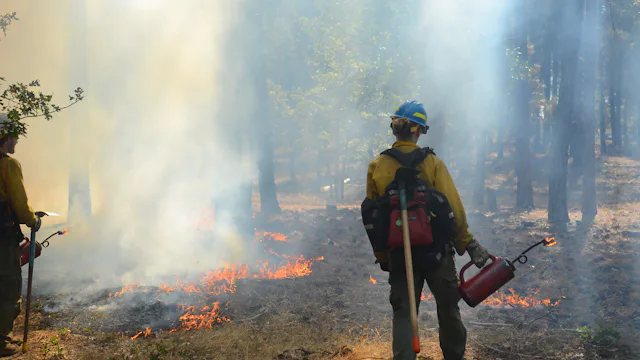
- Bushfire and disaster recovery work in affected areas
Subclass 462 holders have a narrower list than 417 holders in some industries and areas, so check the specified work conditions for your exact visa. Home Affairs has said it is applying some flexibility, so work that supports a specified industry in an eligible postcode may count.
You must be paid at least the award rate. Unpaid or "volunteer" farm work does not count toward a second year.
How to Apply, Step by Step
- Check your country and age. Confirm your passport is on the 417 or 462 list and that you're inside the age range.
- For capped or ballot countries, check the status. Watch the caps page around 2 July, or register for the ballot if you hold an Indian, Chinese or Vietnamese passport.
- Prepare documents. Passport, bank statements showing about A$5,000, and for 462 applicants, English and education evidence and any government letter.
- Create an ImmiAccount and apply online. Pay the A$840 fee.
- Do health checks if asked. People from some countries, or planning to work in health care, childcare or schools, need medicals.
- Wait outside Australia. Don't book non-refundable flights until the visa is granted.
- Enter Australia within 12 months of the grant. Your 12 months of stay begin when you first arrive.
Common Reasons for Refusal or Problems
- Applying when your country's cap is paused or closed
- Turning 31 (or 36) before lodging
- Not enough funds shown, or funds deposited the day before applying with no explanation
- Missing English or education evidence for a 462
- Being in Australia when a first visa is granted, or outside when an onshore second visa is decided
- Claiming specified work that the employer can't verify with payslips
Frequently Asked Questions
Can Nigerians, Kenyans or Filipinos get an Australian Working Holiday visa?
Not as of 2026. Australia has no working holiday arrangement with any African country. The Philippines signed an agreement in 2023 for up to 200 places a year, but Home Affairs had not announced a start date by late 2026. Watch the Working Holiday Maker news page for updates.
How much money do I need for the Working Holiday visa?
Home Affairs generally expects around A$5,000 in savings, plus a return ticket or enough to buy one. Realistically, A$6,000 to A$8,000 is safer, because rent and bond in a big city can take A$2,000 or more before your first payday.
What is the age limit for the Australian Working Holiday visa?
Usually 18 to 30. Applicants from Canada, France, Ireland and the UK can apply until 35, and Cyprus, Finland, Germany and South Korea were added from 1 July 2026. You must lodge before the age limit, even if the visa is granted later.
Can the Working Holiday visa lead to permanent residence?
Not directly. But many people find an employer during their working holiday who later sponsors them on a Skills in Demand visa, or they build Australian experience that adds points for the 189, 190 and 491 skilled visas.
How long does the Working Holiday visa take to process?
Home Affairs says the average is now around three months, after it normalised processing times because of record demand. Some applications are faster. Apply well ahead of your planned travel date.
Can I work for one employer for more than six months?
Generally no, under visa condition 8547. There are exemptions for certain work, such as some regional, agricultural and care roles, and you can ask Home Affairs for permission. Submit your request before the six months end.
Before You Apply
- Check the live caps page today and note when your country's places open, usually 2 July each year.
- Save more than the A$5,000 minimum, and keep the money in your account for a few months before you apply.
- If you want a second year, plan your regional work early and choose employers who issue proper payslips.
- Never pay an agent for a "guaranteed" working holiday visa or a farm job. Our guide on visa and job scams explains the warning signs.
Disclaimer: This guide is general information, not legal or immigration advice. Fees, quotas and requirements change often, so confirm every detail on the official government website before you apply or pay anyone. See our editorial policy.