Fake Job Offers and Visa Scams: 12 Red Flags, How to Verify an Offer and Where to Report
How to spot fake job offers and visa scams: red flags, how to verify employers and agents in the US, Canada, UK and Australia, and where to report fraud.
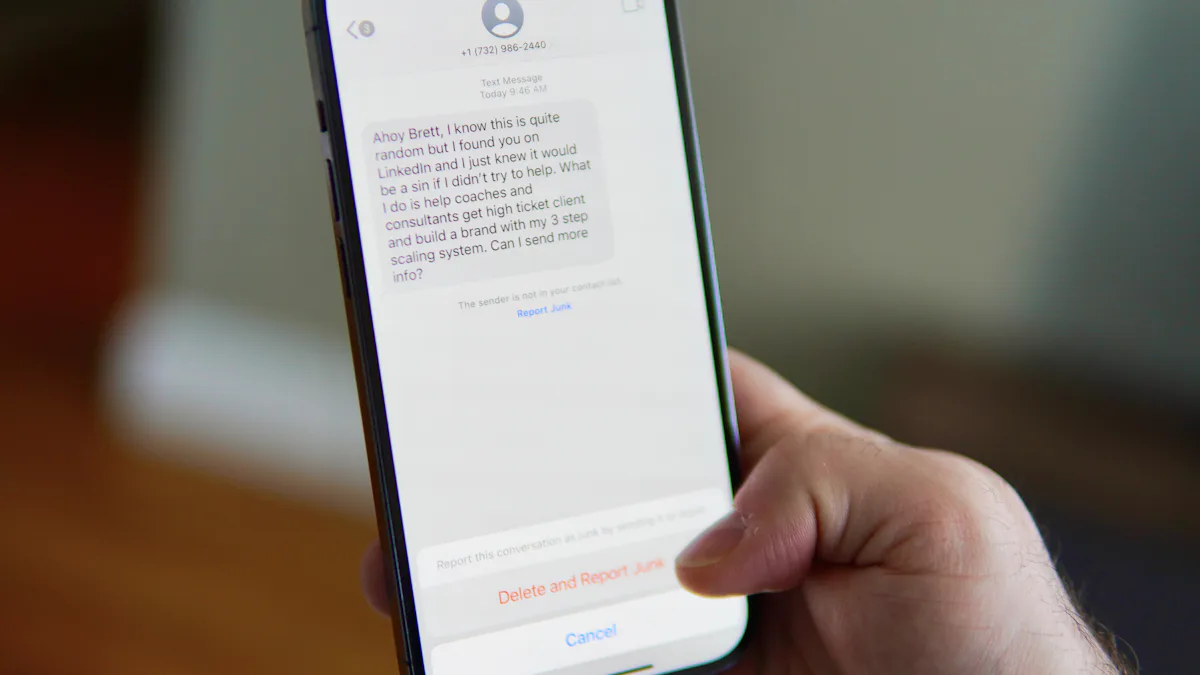
People in the US reported losing $15.9 billion to fraud in 2025, according to the Federal Trade Commission, from about 3 million reports. That counts only people who reported. Job and visa scams aimed at people outside the US, Canada and the UK rarely reach those statistics, but anyone who has worked with migrants has heard the same story many times: a WhatsApp message, an offer letter that looks real, a "processing fee", then silence.
The scammers are good at this. They copy real company logos, use real government form numbers and send documents with stamps and QR codes. Some victims lose a year's savings. Others are trafficked into forced labor after accepting a job that doesn't exist.
This guide covers how the most common scams work, 12 red flags, how to verify an employer, agent or document in each major destination country, and where to report if something has already gone wrong.
In this guide
Visa and Job Scams at a Glance
| Item | Details |
|---|---|
| Who gets targeted | Anyone looking for work, study or a visa abroad, especially through social media |
| Most common scam | Fake job offer plus an upfront "visa", "permit" or "processing" fee |
| Biggest red flag | Paying a recruiter or "agent" for a job or for sponsorship |
| Who pays legal recruitment costs | In US H-2 programs, Canada's TFW program, the UK and Australia, the employer or sponsor, not the worker |
| How to check | Official employer registers, licensed adviser registers, and government websites only |
| Where to report (US) | Federal Trade Commission at ReportFraud.ftc.gov |
| Where to report (Canada, UK) | Canadian Anti-Fraud Centre and IRCC; Action Fraud in England, Wales and Northern Ireland |
How the Most Common Scams Work
The fake job offer with a fee
You apply for a job online, or someone contacts you with an offer. The salary is generous, the interview is quick or happens only by chat, and the offer letter arrives within days. Then comes the request: pay for the work permit, the "LMIA", the "certificate of sponsorship", a medical test, a "visa bond" or an "embassy deposit". Once you pay, there's another fee, then another, until you stop.
Selling sponsorship
Some scams involve real companies. A business that is licensed to sponsor workers sells sponsorship for thousands of dollars or pounds, or an agent charges you for a job with a real employer who knows nothing about the fee. UK media investigations have reported certificates of sponsorship being sold for £13,000 to £20,000. In the UK, Canada, Australia and US H-2 programs, charging workers for sponsorship or recruitment breaks the rules, and many workers who paid later lose their jobs when the sponsor is investigated.
Lottery and "selection" scams
Emails say you won the US green card lottery and must pay to claim your visa. The State Department never emails Diversity Visa winners; results are only on the official site. Our Diversity Visa lottery guide explains the real process.
Government impersonation
Callers or emails claiming to be from immigration authorities say your status has a problem and you must pay a fine immediately, often by gift card, crypto or money transfer. USCIS, IRCC, the UK Home Office and Australian Home Affairs do not demand payment like this.
Fake schools and student scams
Agents offer guaranteed admission and visas at "partner" colleges that are unaccredited, or don't exist, and pocket tuition deposits.
Scam compound recruitment
Ads offering well-paid customer service or IT jobs in Southeast Asia have lured people from Africa and South Asia into compounds where they are forced to run online scams. If a job abroad involves a third country, an unusual travel route or a tourist visa, treat it as a serious warning sign.
12 Red Flags
| Red flag | What a genuine process looks like |
|---|---|
| You must pay for the job, a permit or sponsorship | Employers pay sponsorship and recruitment costs in most legal programs |
| The offer comes without a real interview | Real employers interview, often more than once, by video or in person |
| Contact only by WhatsApp, Telegram or a free email address | Company email domains and verifiable phone numbers |
| Pay or perks far above market rates | Salaries in line with official wage data for the job and city |
| Pressure to pay or decide within hours | Hiring takes weeks; visa processing takes months |
| A "guaranteed" visa | No employer or agent can guarantee a government decision |
| Payment by gift card, crypto or transfer to a personal account | Government fees are paid on official portals |
| The agent holds your passport or documents | You keep your own passport at all times |
| Government documents sent by the agent, not the government | Approval letters come through official accounts, portals or embassies |
| Spelling mistakes, wrong form numbers, odd logos | Official forms match those on government websites |
| You must travel on a tourist visa and "change it later" | Work visas are issued before you travel for work |
| A website that isn't on an official domain | US: .gov; Canada: canada.ca or gc.ca; UK: gov.uk; Australia: gov.au; New Zealand: govt.nz |
Who Legally Pays What
Knowing the rules makes scams easier to spot. These are the general positions as of 2026.
| Country and program | Recruitment and sponsorship costs | What the worker usually pays |
|---|---|---|
| USA: H-2A and H-2B | Employers cannot charge workers recruitment fees and must cover or reimburse visa and travel costs under DOL rules | Usually nothing upfront beyond personal costs |
| USA: H-1B, L-1, O-1 | Employer files and normally pays petition fees; H-1B rules bar passing some fees to the worker | Visa appointment fee in some cases |
| Canada: TFW program and LMIA | Employer pays the LMIA fee; employers and recruiters cannot charge workers recruitment fees | Work permit fee and biometrics |
| UK: Skilled Worker | Sponsor pays the Certificate of Sponsorship fee and Immigration Skills Charge and cannot pass them on | Visa fee and Immigration Health Surcharge |
| Australia: employer-sponsored visas | It is a criminal offence to ask for or receive payment in return for sponsorship | Visa application charge in some cases |
A worker paying their own government visa fee on an official portal is normal. Paying a person or agency for the job itself is not.
How to Verify an Employer, Agent or Document
- Search the company independently. Find its official website and phone number yourself. Don't use the contact details in the offer letter.
- Call the employer directly and ask the HR department to confirm the job and the recruiter.
- Check the employer on an official register (see the list below).
- Check that any agent or adviser is licensed in the destination country and at home.
- Check documents with the issuing authority. Use the government's own case status tools. Most US, Canadian, UK and Australian decisions can be checked online with your reference number.
Official employer registers
- UK: the register of licensed sponsors on gov.uk lists every company allowed to sponsor workers.
- Canada: ESDC publishes lists of employers that received positive LMIAs, and genuine LMIA jobs are usually advertised on Job Bank.
- USA: H-2A and H-2B job orders appear on the Department of Labor's SeasonalJobs.dol.gov site.
Licensed adviser registers
- Canada: the College of Immigration and Citizenship Consultants public register, or a provincial law society
- UK: the Immigration Advice Authority (formerly OISC) register
- Australia: the Office of the Migration Agents Registration Authority register
- New Zealand: the Immigration Advisers Authority register
- USA: state bar listings for lawyers, or the Department of Justice list of accredited representatives
- Home countries: in the Philippines, the Department of Migrant Workers lists licensed agencies; in India, recruiting agents must be registered on the government's eMigrate system; Kenya's National Employment Authority registers private employment agencies
What to Do If You Have Been Scammed
- Stop paying. Scammers often ask for "one last fee" to release your documents or refund.
- Keep every record: messages, emails, receipts, bank transfers, names, phone numbers and profile links.
- Contact your bank or money transfer service immediately. Some payments can be stopped or reversed if you act fast.
- Report it to the right authorities (see below) and your local police.
- Warn others in community groups, without sharing your own personal details.
- Watch for recovery scams. People claiming they can get your money back for a fee are often the same scammers.
Where to report
- USA: the FTC at ReportFraud.ftc.gov, the FBI's Internet Crime Complaint Center for online fraud, and USCIS's guidance on immigration scams
- Canada: the Canadian Anti-Fraud Centre, and IRCC through its fraud reporting page
- UK: Action Fraud in England, Wales and Northern Ireland; Police Scotland in Scotland
- Australia: Scamwatch and ReportCyber
- Your home country: police, and the labor migration authority if a recruitment agency was involved
- Human trafficking (US): the National Human Trafficking Hotline
Frequently Asked Questions
Is it normal to pay for a work visa?
Paying the official visa or permit fee to the government is often normal. Paying an agent or employer for the job, sponsorship, an LMIA or a certificate of sponsorship is not, and in many programs it's illegal for them to charge you.
How can I tell if a Canadian LMIA job offer is real?
Contact the employer directly using details you find yourself, check the job on Job Bank, and look for the employer on ESDC's published LMIA lists. Remember that the employer applies for the LMIA and pays the fee, not the worker.
Can a recruiter guarantee me a visa?
No. Only the government decides visa applications. Any recruiter or agent who guarantees a visa is either lying or doesn't understand the system.
I paid an agent and now they won't answer. What should I do?
Stop sending money, save all evidence, contact your bank or transfer service, and report to the police and the relevant fraud authority. Be careful of anyone who contacts you offering to recover the money for a fee.
Are job offers on Facebook or WhatsApp always scams?
Not always, but they carry high risk. Genuine employers usually also advertise on their own websites or official job boards. Verify any offer independently before sharing documents or paying anything.
What if a real company offers me a job but asks me to pay for sponsorship?
Treat it as a serious red flag. In the UK, Canada, Australia and US H-2 programs, sponsors are not allowed to make workers pay these costs. You can report the company, and a job built on an illegal payment can collapse later.
Before You Accept Any Offer
- Never pay for a job or for sponsorship, whatever the explanation.
- Verify the employer and any agent on official registers before sending documents.
- Use only official sites: USCIS's scam guidance, IRCC's fraud page, and ReportFraud.ftc.gov to report.
- Read our guides to genuine routes, such as Canada LMIA jobs and H-2B jobs in the USA.
Disclaimer: This guide is general information, not legal or immigration advice. Fees, quotas and requirements change often, so confirm every detail on the official government website before you apply or pay anyone. See our editorial policy.